Cat teeth are optimized for hunting. Once a baby has teeth brush them twice a day with a soft baby toothbrush.
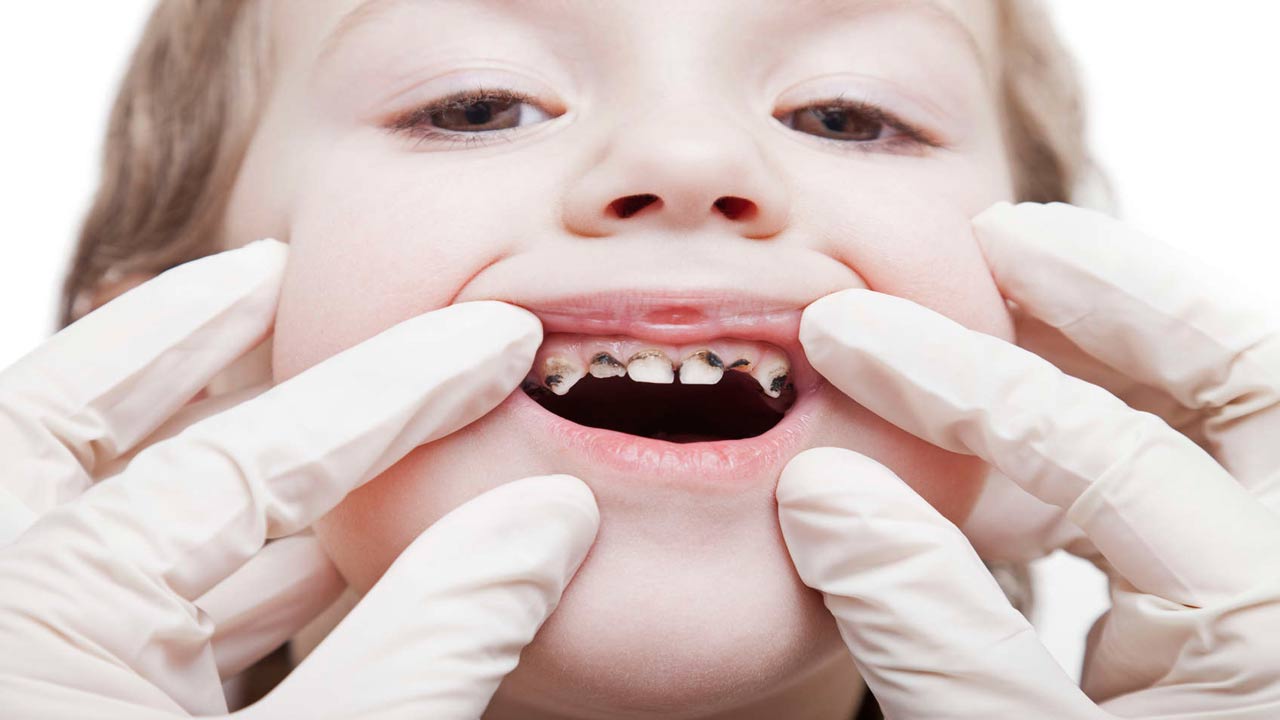
What To Do When Your Child Has Severe Tooth Decay Kakar Dental Group
Many experts believe that fluoride helps prevent cavities and it is a common ingredient in toothpaste and mouthwash.

. Tooth decay occurs when plaque combines with sugars andor starches of the food you eat. To brush the backs of the front teeth the brush. By age 6 or 7 years they start to lose their first set of teeth which eventually are replaced by secondary permanent teeth.
Lateral incisors the teeth on either side of the front teeth. It is the most prevalent oral disease among Australian children AIHW 2016b 2019. Younger children normally have a combination of primary baby teeth and permanent teeth.
First molars the back teeth used to grind food. The following is the common way that teeth develop decay and cavities. Babies without Down syndrome typically get their first teeth between 6-12 months.
But decay may be a bit different for each child. On average babies with Down syndrome get their first teeth at 12 to 14 months but it may be as late as 24 months of age. Dental caries commonly known as dental decay refers to the development of cavities small holes in the teeth that compromise the health and structure of the tooth.
9 to 13 months. The most common culprit is a bacterium. 13 to 19 months.
It has a light brown. Up to 10 of children aged 2 to 5 have untreated cavities. Gargle clean fresh water a couple of times and rinse the toothbrush with water.
These spots mean that the enamel is starting to break down. The combination produces acids that attack tooth enamel. Bacteria evade removal by brushing and saliva and damage the enamel and deeper structures of teeth.
Tooth decaycavitiesis the second most common health problem in the United States. Anyone with teeth can develop cavities including babies. For comparison humans have 20 baby teeth and 32 permanent teeth and dogs have 28 baby teeth and 42 permanent teeth.
Dental Caries in Primary Baby Teeth. Most cavities occur on molars and premolars. They arent just for children.
8 to 12 months. Its topped only by the common cold. According to the Mayo Clinic cavities and tooth decay are some of the most common health problems in the world.
More than half of adolescents aged 12 to 19 have had a cavity in at least one of their permanent teeth. Dental cavities or caries are tiny holes in the hard surface of the teeth. Young children are at risk for early childhood caries sometimes called baby bottle tooth decay which is severe tooth decay in baby teeth.
If properly cared for a cats permanent teeth should last their entire life. They have the experience and qualifications to care for a childs teeth gums and mouth throughout the various stages of childhood. Children begin to get their baby teeth during the first 6 months of life.
An early cavity appears on the tooth. You can get cavities at any age. Because many older adults experience receding gums which allows decay-causing bacteria in the mouth to come into contact with the tooths root they can get decay on the exposed root surfaces of.
A general name for. They may lead to early sensitivity in the teeth. Second molars the back teeth that fill in the last gaps.
Overall dental caries in the baby teeth of children 2 to 11 declined from the early 1970s until the mid 1990s. Remineralization helps replace those lost minerals to keep your teeth strong and prevent tooth disease. Anyone with teeth can.
16 to 22 months. Cats have 26 baby teeth and 30 permanent teeth. A small but significant increase in primary decay was found.
The teeth of people with Down syndrome both baby teeth and permanent teeth may come in late compared to children without Down syndrome. Standard advice is that the front and backs of teeth should be brushed with the toothbrush at a 45-degree angle towards the gum line moving the brush in a back-and-forth rolling motion that makes contact with the gum line and tooth. White spots begin to form on the teeth in areas affected.
More than half of children aged 6 to 8 have had a cavity in at least one of their baby primary teeth. From the mid 1990s until the most recent 1999-2004 National Health and Nutrition Examination Survey this trend has reversed. Prolong the life of baby teeth reduce the amount of time and money a person has to spend at the dentist By preventing cavities and slowing the growth of bacteria fluoride treatment may also.
One quarter of adults aged 20 to 64 have untreated cavities. Canines or cuspids the sharp pointy teeth on either side of the lateral incisors. Top Teeth Central incisors the front teeth.
They are caused by bacteria on the surface of teeth creating acid out of sugar. The minerals work together to form a compound called hydroxyapatite which is a building.

Cavities In Children What Are Causes And How Can You Prevent Them

Family Dentistry Baby Teeth Cavities

Should You Treat Baby Cavities

Faq What Are The Different Ways You Can Fix My Child S Cavities Shelby Pediatric Dentistry Dental Care For Kids Birmingham Al
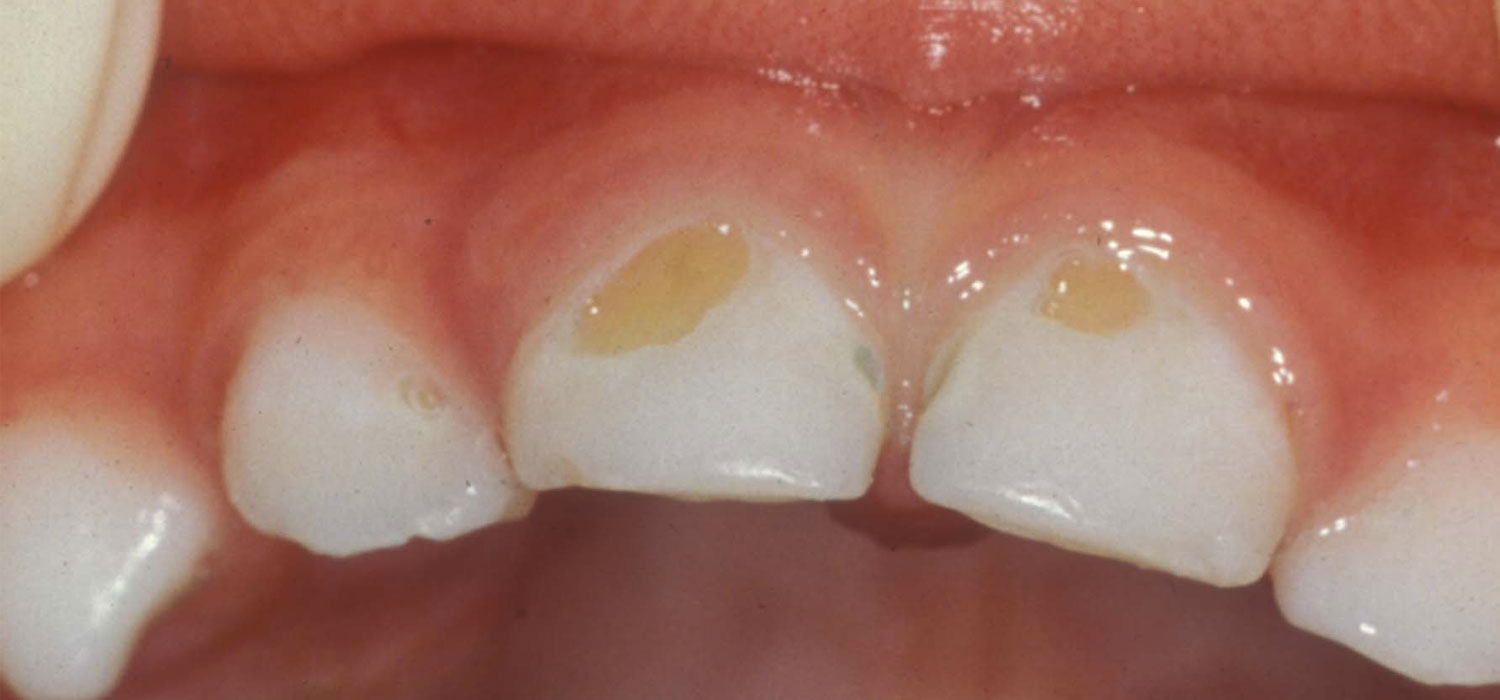
Vancouver Dentist Addresses Early Childhood Caries Or Cavities

What Do Cavities Look Like In Children Uxbridge On

Staining Or Cavities On The Front Teeth Playtime Pediatric Dentistry

Cavities In Small Children A Guide For Parents And Caregivers
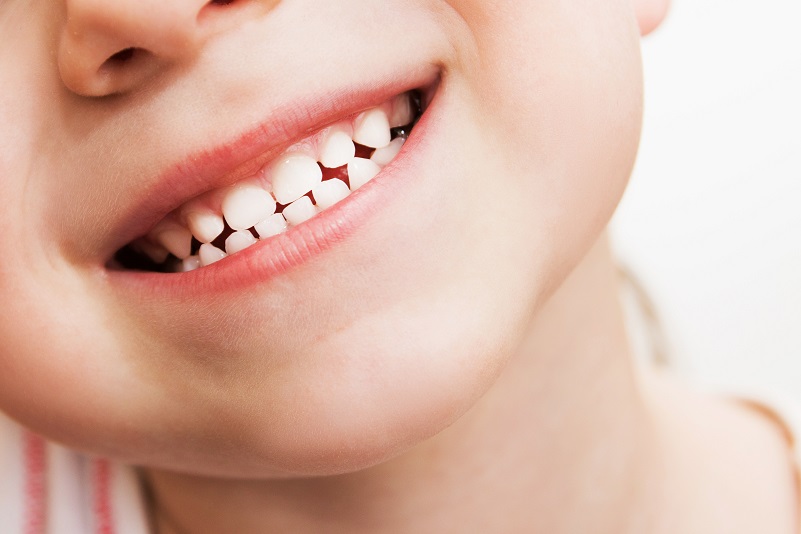
The Relationship Between Baby Primary And Adult Permanent Teeth
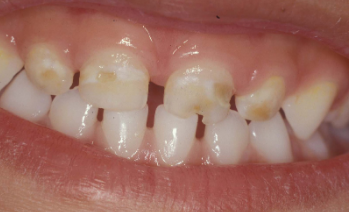
Early Childhood Caries Hurst Pediatric Dentistry
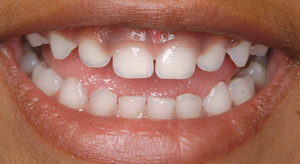
Tooth Decay In Baby Teeth Specialized Dentistry
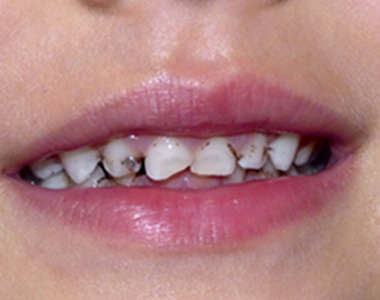
What Causes Baby Bottle Tooth Decay Lima Road Dentistry Lima Road Dentistry

Fillings In Baby Teeth Are They Really Necessary
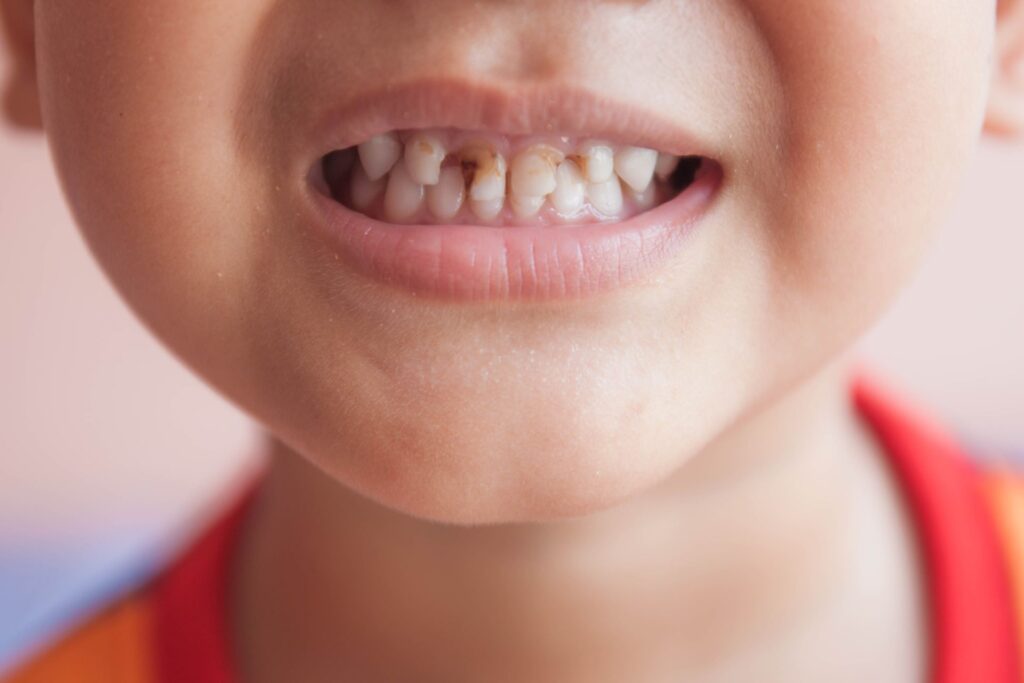
Early Childhood Caries Hurst Pediatric Dentistry
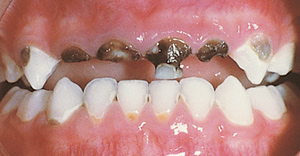
Tooth Decay In Baby Teeth Specialized Dentistry
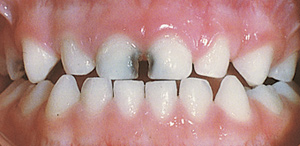
Tooth Decay In Baby Teeth Specialized Dentistry
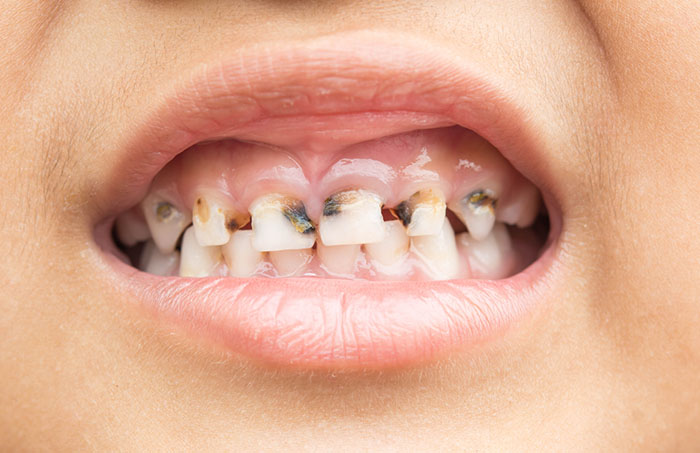
Prevention Treatment Tooth Decay In Kids Absolute Dental

Do Baby Teeth Really Matter Don T They Just Fall Out Kids Teeth

Tooth Decay Is The Most Common Childhood Disease Triangle Pediatric Dentistry
